There is a specific kind of culinary magic found in the bright, savory profile of a perfectly coated pasta dish. That unmistakable tang and creaminess often stem from a highly specialized ingredient designed to trigger our deepest comfort food cravings.
Understanding the chemistry and artistry behind mac and cheese powder reveals why it remains one of the most beloved pantry staples in the world.
It is not just about salt and color; it is about a carefully engineered balance of dairy science and flavor enhancement that transforms a simple meal into an irresistible experience.
The Power of Dehydrated Umami
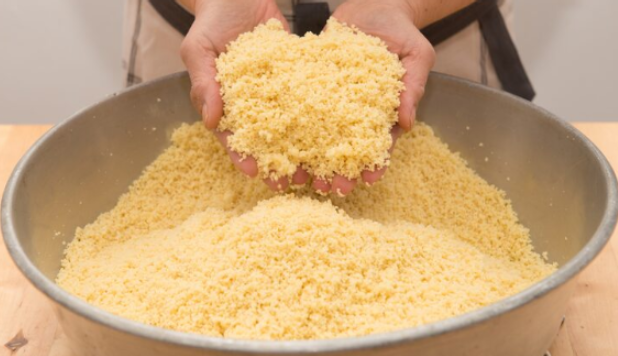
At the heart of every great mac and cheese powder is the concentrated essence of real cheese. Through a process called spray-drying, liquid cheese is turned into a fine dust that retains all the savory, umami-rich compounds of the original block.
Umami is the fifth taste, often described as meatiness or savoriness, and it is responsible for that moreish quality that keeps you coming back for another bite.
By using a high-quality powder, you are essentially delivering a massive dose of concentrated cheese flavor directly to your taste buds, creating an immediate sense of satisfaction.
Achieving the Perfect Tang with Acidity
One of the hallmarks of a craveable sauce is a subtle sharpness that cuts through the richness of the fat. Manufacturers of mac and cheese powder often incorporate ingredients like lactic acid, citric acid, or dehydrated buttermilk to replicate the natural fermentation notes of aged cheddar.
This acidity provides a necessary brightness that prevents the dish from feeling too heavy on the palate. This balance between the creamy fats and the sharp acids is what makes the flavor profile so addictive and dynamic, ensuring the dish never tastes one-dimensional.
The Role of Emulsifiers in Mouthfeel
Flavor is not just about what we taste; it is also about how food feels in the mouth. A premium mac and cheese powder contains natural emulsifiers that help the cheese solids bond perfectly with water, milk, or butter.
This creates a silky, velvet-like texture that coats the pasta evenly, ensuring every nook and cranny is filled with sauce.
That smooth, glossy mouthfeel triggers a sensory response in the brain associated with high-energy, comforting foods, making the eating experience feel indulgent and luxurious.
Salt as a Flavor Catalyst
Salt does more than just make food salty; it acts as a magnifying glass for other flavors. In a well-formulated mac and cheese powder, the sodium content is precisely calibrated to enhance the natural dairy notes and the sharpness of the cheese.
Salt also suppresses bitterness, which allows the sweet and savory notes of the milk solids to shine through. When the salt levels are tuned correctly, the entire flavor profile of the pasta dish is elevated, making the cheese taste cheesier and the aroma more enticing.
Aroma and the Olfactory Connection
Much of what we perceive as flavor actually comes from our sense of smell. As you heat a sauce made with mac and cheese powder, the volatile aromatic compounds are released into the air. The scent of toasted milk and aged enzymes sends a signal to the brain that a rewarding meal is imminent.
This olfactory stimulation is a key component of craveability, as it builds anticipation before the first forkful even reaches your mouth. The aromatic complexity of a good powder ensures that the experience is as much about the scent as it is about the taste.
More Stories
The Pros and Cons of Pawn Loans: Is It the Right Choice for You?
Mediterranean Magic: Healthful Recipes from Sun-Kissed Shores
The Art of Sushi: Techniques and Recipes for Homemade Sushi