Expanding a food business requires a delicate balance of maintaining quality while increasing operational capacity. As you transition from a startup phase to a more established presence, the challenges shift from simple survival to strategic growth and market penetration.
Whether you are selling packaged goods, operating a catering firm, or running a restaurant, the path to expansion lies in optimizing your supply chain, refining your brand, and listening closely to your customers.
By implementing structured processes, you can scale your operations effectively and ensure that your brand remains competitive in an increasingly crowded and dynamic marketplace.
Sourcing High-Quality Granola Bulk for Product Expansion
If you are expanding into the breakfast or snack category, ingredient management becomes a pillar of your profitability. Investing in granola bulk allows you to maintain high margins while keeping retail prices attractive to your customer base.
When selecting a source, prioritize suppliers who can offer consistent texture, flavor, and nutritional profiles.
Large-scale purchasing does more than save money; it ensures you have enough inventory to meet sudden spikes in demand without compromising on the quality that originally built your reputation.
Always request samples to test the shelf stability of the ingredients before committing to a long-term supply contract.
Partnering with a Reliable Wholesale Prepared Foods Supplier
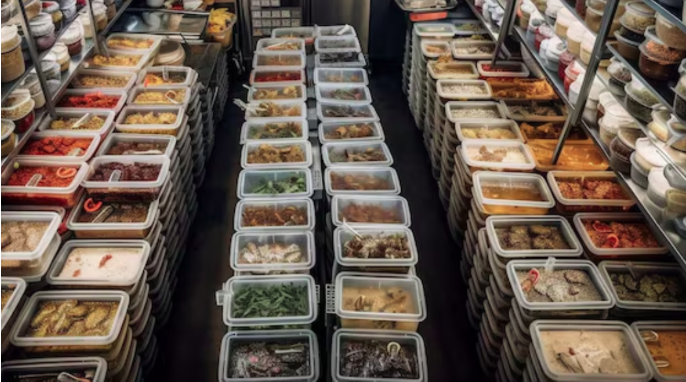
To scale your output without skyrocketing your labor costs, aligning with a professional wholesale prepared foods supplier is a smart tactical move. Outsourcing specific production components allows your core team to focus on signature creations and unique value propositions.
A trusted partner will ensure that the quality of these base products meets your brand standards, effectively acting as an extension of your own kitchen.
Vet potential suppliers based on their sanitation ratings, delivery speed, and willingness to accommodate your specific recipe requirements. This partnership model provides the consistency necessary to maintain your brand image while you focus on sales.
Leveraging Data to Refine Your Menu Offerings
Growth is not just about producing more; it is about producing the right items. Utilize point-of-sale data to identify which products have the highest profit margins and which items move the fastest.
By analyzing purchase history and customer feedback, you can streamline your menu to eliminate underperforming products and double down on your bestsellers.
This data-driven approach reduces waste and ensures that your capital is invested in items that truly resonate with your audience, creating a more efficient and profitable business model.
Expanding Your Reach Through Targeted Marketing
As you scale, your marketing efforts must become more sophisticated. Utilize social media platforms to showcase behind-the-scenes content that highlights your commitment to quality and food safety.
Collaborate with local influencers or partner with other brands for cross-promotional events to introduce your products to new demographics. The goal is to build a community around your food.
By engaging with your customers through digital channels, you create a loyal base that acts as brand ambassadors, driving organic growth that is much more sustainable than paid advertising alone.
Maintaining Rigorous Quality and Safety Standards
Nothing will derail your growth faster than a lapse in quality or safety. As your volume increases, the temptation to cut corners can rise, but you must resist this. Implement standardized recipes and strict operating procedures to ensure every customer receives the same experience.
Regular staff training and health audits are essential, even as you add more employees to your team. A reputation for consistency is your most valuable asset, and protecting it will ensure that your business thrives as it expands into new markets.
More Stories
What Is BBQ? Everything You Need to Know
Essential Supplies for Food Service and Shipping Businesses
How Pizza Take Out Simplifies Busy Weeknight Meals