Food service and shipping operations depend on reliable supplies to protect products, maintain quality standards, and meet customer expectations consistently. Whether moving perishable goods across a supply chain or preparing orders for restaurant delivery, the containers and packaging used directly affect how products arrive and how businesses are perceived. Choosing the right supplies for the specific demands of each operation is a practical investment with direct impact on product quality and operational efficiency.
Matching Packaging to Product Requirements
Not all packaging is interchangeable. Food service operations handle items with varying weight, temperature sensitivity, and moisture content that determine which materials are appropriate. Shipping businesses must account for fragility, stacking loads, and transit duration when selecting outer packaging. Using containers that are undersized, insufficiently rigid, or incompatible with the product’s characteristics leads to damage, contamination, and returns. Matching packaging specifications to the actual demands of each product type is the starting point for any reliable packaging program.
Using Wooden Crates for Heavy or Fragile Goods
For items that require robust protection during long-distance shipping or extended storage, wooden crates provide structural strength that corrugated cardboard alternatives cannot match. Wooden crates withstand stacking loads, resist crushing under transit pressure, and offer customizable interior dimensions for irregularly shaped products. Food producers shipping specialty items, manufacturers exporting components, and businesses moving fragile display pieces all benefit from the protective reliability that wooden crates deliver. Their reusability also reduces long-term packaging costs for operations with consistent shipping volumes.
Temperature Control and Insulation Supplies
Maintaining temperature integrity from origin to destination is a non-negotiable requirement for food service businesses handling perishable products. Insulated liners, gel packs, dry ice containers, and temperature-controlled packaging systems preserve safe temperatures throughout the shipping window. Selecting insulation rated for the specific transit duration and ambient temperature range prevents cold chain failures that result in product loss and liability. Businesses that invest in appropriate temperature control supplies protect both product quality and their reputation for reliability.
Consumable Supplies for Food Preparation and Service
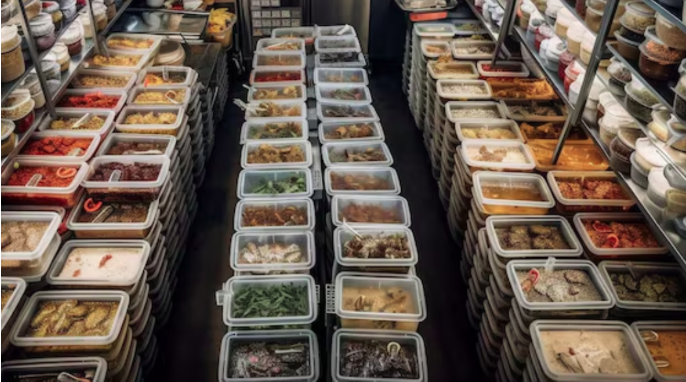
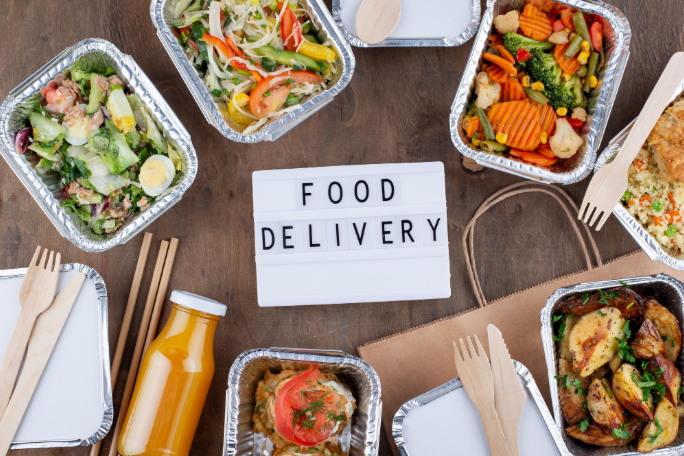
Food service operations require a consistent flow of consumable supplies beyond packaging alone. Portioning containers, service trays, wrapping films, and single-use utensils are all items that affect food presentation, cross-contamination prevention, and service speed. Sourcing these items from reliable suppliers with consistent stock availability prevents operational disruptions during service periods. Bulk purchasing of high-turnover consumables reduces per-unit cost and ensures the kitchen never runs short of materials during peak demand.
Labeling and Compliance Requirements
Both food service and shipping operations carry legal obligations around product labeling and documentation. Food items must display ingredient lists, allergen information, and handling instructions that meet regulatory requirements in the markets they serve. Shipping consignments require accurate weight declarations, hazmat labeling where applicable, and customs documentation for international shipments. Building labeling and compliance into the packaging workflow from the start prevents costly errors, rejected shipments, and regulatory penalties that disrupt operations and damage business relationships.
Conclusion
The right supplies make food service and shipping operations run more smoothly, protect products more effectively, and present a more professional image to customers and partners. Investing in appropriate packaging, reliable temperature control, and compliant labeling creates a foundation that supports operational consistency and business growth.